CAPÍTULO VENEZUELA 2026 — CONVOCATORIA ABIERTA A SOCIOS INSTITUCIONALES Y CORPORATIVOS · CHAPTER VENEZUELA 2026 — NOW OPEN FOR INSTITUTIONAL PARTNERS
Exodus & Resilience was born from exile and resilience. What began as one immigrant’s journey to rebuild a life in Barcelona has grown into a collective platform where migration stories are preserved, honored, and transformed into art.
We do not debate politics—we build empathy. And through empathy, we build resilience.
This is where the project begins: in lived stories that become bridges.
Why Exodus & Resilience was born
I am Venezuelan. I arrived in Barcelona in love with the city, while also escaping the dictatorship in my country. I brought a suitcase—and a long family memory of movement. My maternal grandfather was the son of Lebanese immigrants; my paternal grandmother was Mexican. At home, diversity was not a theory but a dinner table—each meal a banquet of languages and flavors. It taught me early that difference can be a form of wealth.
In Spain I learned that migration is the art of starting from zero—again and again. My first job was in a kitchen—“Food Designer” on my CV, borrowing from my industrial design studies to open a door. I became a Japanese cook, learning as I went because necessity is also a teacher. Later I co-founded a small technical architecture practice with a Catalan partner while studying languages: Catalan (C level), Italian, and English.
I never let art go. I returned to oil painting and launched a workshop restoring artworks and antiques—upholstery, furniture, soft furnishings—adding stone restoration and laser cleaning techniques. I learned the art market from the inside: valuation, cataloging, connoisseurship. I also studied art insurance and worked front-of-house in an insurer, where I focused on improving processes and service. Then I founded a 3D ultrasound franchise, doing everything from client outreach to social media. I delivered Amazon parcels, built an e-commerce, studied SEO, and later created an online consultancy for galleries—all while working as an art dealer. Each role was a step; each step, a proof of resilience.
These are not the jobs I would have done had I stayed inside a comfort zone back home. Migration demanded reinvention—and gave me a new toolkit: languages, craftsmanship, operations, market sense, and a stubborn belief that creativity belongs everywhere, not only in studios and museums.
Along the way I also met the quieter costs of belonging: the phone call where an accent becomes a filter; the apartment visit that asks for one more document and then another; the ceiling that does not break despite extra hours and extra study. None of this is unique to me. It is a pattern many newcomers recognize: same price, different treatment. Same effort, different outcome. Paradoxically, even people and places shaped by migration can reproduce new prejudices. That contradiction is painful—yet it also calls us to act differently.
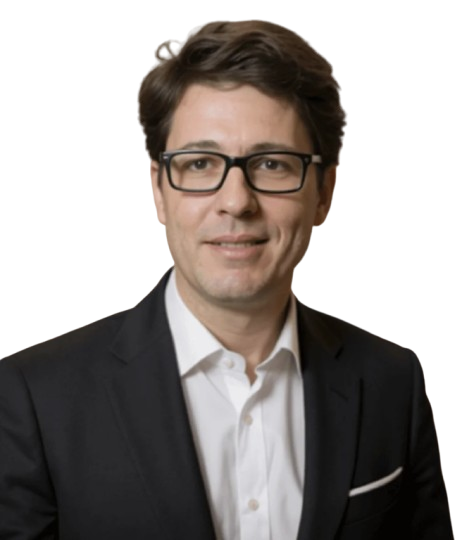
My Accent
Is a Bridge, Not a Border
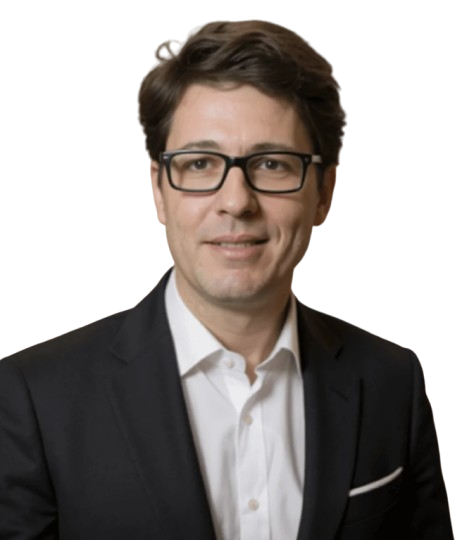
— Omar Bustillos
Founder, Exodus & Resilience


Exodus & Resilience is my answer to that call. Our mission is simple and demanding: to use contemporary art and the history of immigration in the United States to build empathy—empathy, not politics. We are developing a site-responsive, traveling collection paired with workshops and learning tools, because we believe that listening changes the record and that stories cut across fences. We want to go deeper than headlines and frame today’s challenges in a larger, human story of contribution and belonging.
My children—born in the United States—remind me every day that identity is not subtraction: it is addition. Their lives carry multiple beginnings at once. That is not a problem to solve; it is a future to build. I do not want to erase my accent or my path. I want them to be read as bridges.
If you are reading this, thank you. Whether you are an artist with a story to tell, a neighbor willing to listen, or an institution ready to open its doors—this is an invitation. Join us as an ally, collaborator, or supporter. Together, we can turn lived experience into shared understanding, and shared understanding into action that dignifies us all. Because migration is not subtraction: it is addition. It is not a loss—it is resilience.
Conectando arte, cultura y comunidades para el cambio.
© Exodus & Resilience. Todas las imágenes © de sus respectivos artistas. Prohibida su reproducción, extracción de datos o creación de conjuntos de datos sin autorización por escrito.
Exodus & Resilience desarrolla programas culturales estructurados en colaboración con socios institucionales y corporativos, bajo estándares claros de gobernanza y reporte.
Este proyecto se alinea con los Objetivos de Desarrollo Sostenible (ODS) de las Naciones Unidas.